

Face mists look interchangeable — a bottle, a spray, a refreshing spritz. But they don't all do the same job, and picking the wrong type is why some people find mists useless ("it just evaporates") while others swear by them. The trick is knowing what's actually inside and what it's built to do. Here's a plain guide to the three main kinds of face mist, and how to choose one that genuinely earns its place in your routine.
The three types of face mist
Most mists fall into one of three camps, and the differences are bigger than the packaging suggests:
- Water mists — mostly water, sometimes with a little glycerin. They feel instantly refreshing, but with little to hold that water in place, it can evaporate quickly.
- Oil or essence mists — richer, with oils or heavier humectants. They hydrate more, but can feel sticky or too heavy over makeup.
- Bi-phase (water-and-oil) mists — a water layer and a small oil layer you shake together before spraying, aiming to combine the refreshment of water with enough substance to keep it from flashing off.
Why can a plain water mist leave skin drier?
This is the "evaporation paradox," and it's the single most useful thing to understand about mists. When you spray pure water onto your face and it evaporates, it can carry some of your skin's own surface moisture away with it — so a mist meant to refresh can actually leave skin feeling tighter than before. The fix isn't to avoid mists; it's to choose one with something to hold the water: humectants that bind moisture, and a small amount of oil to slow evaporation. That's the whole logic behind a bi-phase formula.
What should a good summer mist actually do?
For hot, reactive, or makeup-wearing days, the most useful mist does three things at once — cools, hydrates, and calms — without a sticky finish. Cooling matters because heat itself is a stressor; hydration matters so the refreshment lasts; and a calm, non-irritating feel matters most for sensitive skin. A mist that only does one of those is fine, but a well-built one does all three. This is the same calm-first thinking behind why soothing has become the new anti-aging.
How the Klairs Blue EGF Cooling Mist is built
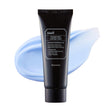
The Blue EGF Cooling Mist is a bi-phase mist designed around exactly that "cool, hydrate, calm" brief. A few things set the formula apart from a plain water spray:
- A 9.3 : 0.7 water-to-oil ratio — heavily water-based for a cooling, refreshing feel, with just enough oil to keep it from evaporating dry or turning greasy.
- Guaiazulene — the deep-blue, chamomile-derived calming ingredient that gives the mist its color and the look of calm on reactive skin (more on it in our guaiazulene explainer).
- A soothing-and-hydrating supporting cast — centella-derived madecassoside, ectoin, multi-weight hyaluronic acid, and alpha-bisabolol, plus EGF and FGF peptides.
- Free of artificial fragrance, non-comedogenic tested — a friendlier profile for sensitive, blemish-prone skin than a scented "spa" mist.
How to choose the mist that fits you
A quick decision guide:
- You just want a quick refresh and don't mind reapplying — a simple water mist is fine.
- Your skin is dry and you want lasting moisture — an oil or essence mist, or a bi-phase mist, will hold better.
- You want cooling, hydration, and a calm feel — over makeup, in heat, on sensitive skin — a bi-phase cooling mist like the Blue EGF Cooling Mist is the all-rounder.
One honest note: no mist is a sunscreen or a replacement for your moisturizer. A great mist is a comfort-and-reset step, not sun protection — keep wearing broad-spectrum SPF regardless. If your skin runs hot and reactive in summer, our guide on why overheated skin needs calming, blue formulas goes deeper.
FAQ
Do face mists actually hydrate, or do they just feel nice?
It depends on the formula. A plain water mist mostly provides a brief refresh and can even evaporate dry, while a mist with humectants and a small oil phase holds moisture better. Look for ingredients that bind and seal water, not just water alone, if lasting hydration is your goal.
Why does my water mist make my skin feel tight afterward?
That's the evaporation paradox: as pure water evaporates it can take some of your skin's surface moisture with it, leaving skin feeling tighter. Choosing a mist with humectants and a little oil — like a bi-phase formula — helps the hydration stay instead of flashing off.
What is a bi-phase mist?
It's a mist with a water layer and a small oil layer that you shake together before spraying. The idea is to combine the cooling, refreshing feel of a water mist with just enough oil to slow evaporation and prevent a stripped, tight finish — without feeling greasy.
Can I use a cooling mist over makeup and sunscreen?
Yes, if it's designed for it. Spray from a comfortable distance and let it settle without rubbing, so it refreshes without disturbing your base. The Blue EGF Cooling Mist is made for on-the-go use over sunscreen or makeup, as a midday reset.
Is a fragranced mist bad for sensitive skin?
Not inherently, but added fragrance is a common trigger for reactive skin, so a mist free of artificial fragrance is generally the safer choice if you flush or sting easily. Always check the ingredient list and patch test if you have fragrance sensitivities.
Does a face mist replace moisturizer or sunscreen?
No. A mist is a refreshing, comforting step — not sun protection and not a substitute for a proper moisturizer. Keep applying broad-spectrum SPF by day and a moisturizer suited to your skin; use a mist on top for cooling and comfort.
The bottom line: don't judge a mist by how nice the spray feels in the moment — judge it by what it's built to do. If you want one that cools, hydrates, and calms in a single, fragrance-conscious step, a bi-phase cooling mist is the type to reach for.
This article is general skincare education about choosing a face mist; it is not medical advice and does not diagnose, treat, or claim to cure any skin condition. Mists are not sunscreen — wear broad-spectrum SPF, patch test new products, and consult a professional for persistent skin concerns.