

There's a feeling a lot of people were taught to trust: that tight, squeaky-clean face after washing. It feels like proof the cleanser worked. It isn't. That tightness is one of the clearest signals that a cleanser has taken more than the dirt — and for sensitive, dry, or blemish-prone skin, it's often the quiet reason nothing else in the routine seems to help. Here's how to tell if your cleanser is stripping your skin, and what to do about it.
The 30-second tightness test
You don't need any equipment. Wash your face, pat it dry, and then do nothing for 30 seconds. Don't reach for toner, essence, or moisturizer. Just wait, and notice how your skin feels.
- Comfortable, soft, maybe a little dewy — your cleanser is doing its job.
- Tight, taut, like your face is a size too small — that's stripping. It means the cleanser removed more of your skin's own surface lipids than it needed to.
- Stinging or burning — stop using it. That's not "working," that's irritation.
The catch is that a good moisturizer can mask this. If you always apply products within seconds of washing, you may never notice how your bare skin actually feels — which is exactly how a stripping cleanser hides in a routine for months.
Why does a cleanser leave skin feeling tight?
Usually one of four reasons, and often several at once:
- pH that's too high. Healthy skin sits slightly acidic. Cleansers well above that range clean effectively but can leave the surface disrupted and tight.
- Harsh surfactants. The foaming agents that give that dramatic squeaky feel are often the ones that don't know when to stop.
- Over-cleansing. Twice a day is plenty for most people. Washing whenever your face feels oily usually makes it worse.
- Water that's too hot. Free to fix, and it matters more than people expect. Lukewarm, always.
Why does this matter more than it sounds?
Because cleansing is the foundation everything else sits on. If your first step strips the barrier, the rest of your routine spends its energy repairing the damage instead of doing what you bought it for — and skin that's constantly stripped tends to get more reactive, not less. It's also a classic cause of the "my skin is dry and breaking out" paradox, where stripped skin overcompensates. If that sounds familiar, our guide on supporting a stressed skin barrier is the natural next read, and it's the same calm-first logic behind why soothing has become the new anti-aging.
What should a gentle cleanser actually do?
The bar is simple: remove the day — sunscreen, sweat, fine dust, sebum, makeup residue — and leave your skin feeling clean but comfortable. Not squeaky. Not tight. What to look for:
- A low-pH formula that respects the skin's natural range.
- Mild surfactants that foam pleasantly without the stripped finish.
- A non-tight rinse — the whole point.
- Fragrance-conscious if your skin is reactive; added fragrance is a common trigger, as we cover in which ingredients sensitive skin should approach with care.
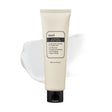
The Gentle Black Facial Cleanser is built around exactly this brief: a mild, low-pH creamy cleanser that works into a dense, soft foam to wash away buildup, fine dust, and residue without leaving skin feeling stripped, with a soft, non-tight finish. It suits all skin types including sensitive, and works as a daily wash or as the second step after an oil cleanse.
Do you need a "deep clean" if you wear sunscreen and makeup?
You need a thorough clean, which isn't the same as a harsh one. On heavy SPF or makeup days, the reliable approach is an oil cleanse to break everything down, followed by a gentle wash — thoroughness comes from the two-step method, not from a stronger detergent. Reaching for something aggressive to feel "properly clean" is how most people end up stripped in the first place. If you like decoding this on the label yourself, our guide on how to read a skincare ingredient list helps.
FAQ
How do I know if my cleanser is stripping my skin?
Wash, pat dry, and wait 30 seconds without applying anything. If your skin feels comfortable, your cleanser is fine. If it feels tight, taut, or squeaky, it's stripping. If it stings, stop using it. Applying moisturizer immediately can hide this, so test on bare skin.
Isn't a squeaky-clean feeling a good thing?
No — it's a sign the cleanser removed more than it needed to, including some of your skin's own surface lipids. A well-formulated cleanser leaves skin clean but comfortable, not tight.
Why does my skin feel dry and break out at the same time?
Over-stripping is a classic cause. When cleansing constantly disrupts the barrier, skin can end up both dehydrated and congested, and it tends to get more reactive over time. Gentler cleansing plus barrier-supportive steps usually helps more than adding stronger actives.
What makes a cleanser gentle?
A low pH that respects the skin's naturally acidic range, mild surfactants rather than harsh foaming agents, and a rinse that leaves no tight feeling. For reactive skin, a fragrance-conscious formula removes one of the most common triggers.
How often should I wash my face?
Twice a day is enough for most people — morning and evening — plus after heavy sweating. Washing every time your face feels oily usually backfires, since stripped skin can respond by feeling oilier.
Do I need a double cleanse?
On days with sunscreen or makeup, yes — an oil cleanse followed by a gentle wash is thorough without being harsh. That two-step method is what gets everything off; using a stronger, stripping cleanser instead is what causes the problem.
The bottom line: your cleanser shouldn't announce itself. If your face feels tight 30 seconds after washing, that's the step to fix first — before you add anything else to your routine.
This article is general skincare education; it is not medical advice and does not diagnose, treat, or claim to cure dryness, acne, or any skin condition. Sensitivities are individual — patch test new products and consult a professional for persistent skin concerns.